BobaBud
Nov 2024-Present

Background
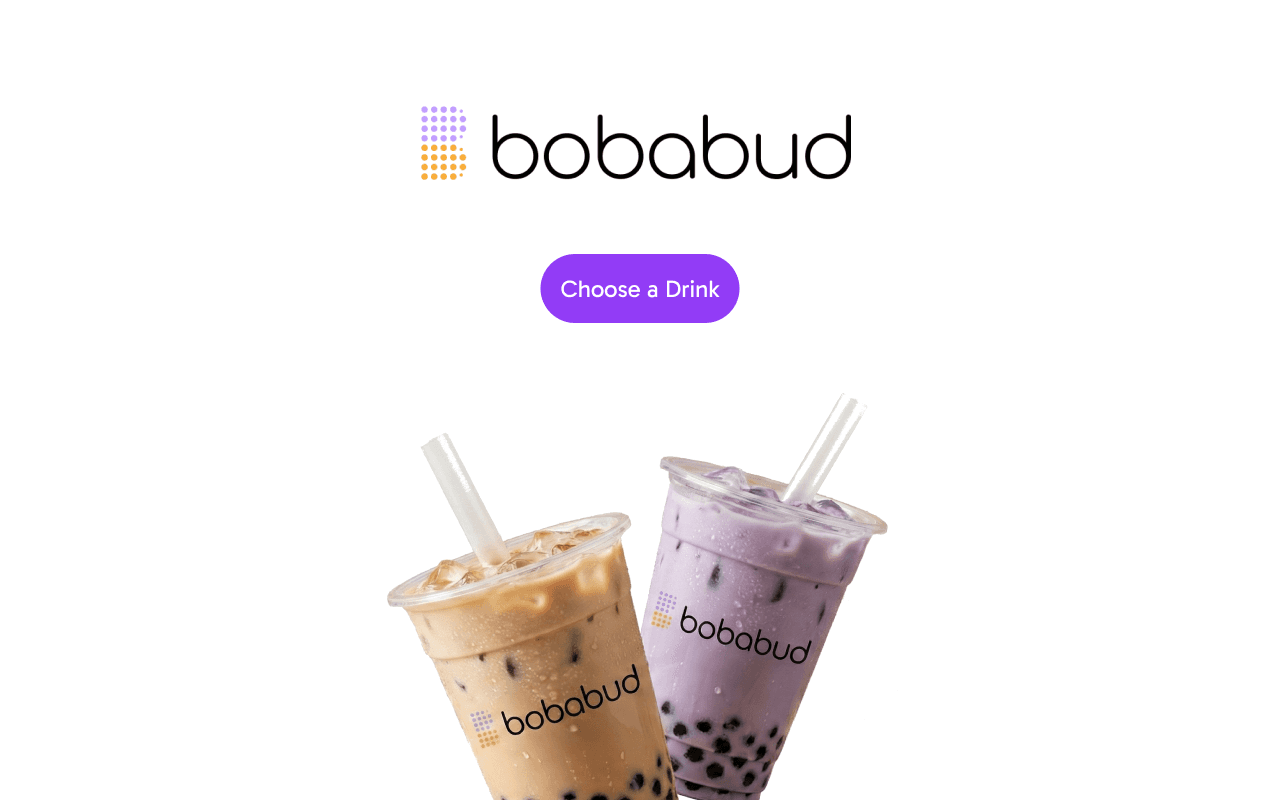
BobaBud is a fully automated bubble tea machine, among the first of its kind in Canada
Being a pre-launch startup, their aim was to take the product from zero to one; in other words, take it from ideation to the market.
With no existing infrastructure, I was tasked with building the company across 3 areas (marketing, revenue, compliance) in my role as Marketing & Operations Lead.


The founding engineer onboarded me on the team to manage every aspect of the business while he manages the engineering of the machine. This would translate to me spearheading:
Marketing
All activities related to acquiring clients (i.e. lead gen & qualification, content creation, funnel management, etc.)
Revenue Ops
Creating pricing structures, negotiating revenue-sharing models with partners, securing suppliers, forecasting margins, etc.
Compliance
Researching federal, provincial & municipal regulations on food safety, public health, electrical safety, data security, & more.
Compliance
After researching all necessary legal & compliance requirements, I forwarded the documentation to the engineering team which implemented it into the product.
There was a rigorous safety & compliance approval process with layers of authentication, which included:
Electrical Safety
Ensure proper grounding, overcurrent protection, emergency stop feature, shock & fire prevention, and more.
Food Safety
Use food-grade material, establish sanitization protocols, outline cross-contamination prevention measures, set traceability & recall systems (HACCP), integrate temperature sensing & control
Data Security
Protect cardholder data, firewall maintenance, anti-malware software, access log monitoring, anti-tampering design, and more.


Research
Documentation
Marketing
This was the most extensive part of bringing the product to the market. Since this was a B2B product with virtually zero marketing budget and only one marketing team member (myself), I built an outbound strategy which funneled the customer through the following stages:
Email
Appointment booked OR Waitlist joined
Product showcase
Closing
There was a heavy amount of A/B testing as well as marketing automation at Step 1 & 2, allowing us to drastically incrementally improve our qualification rates over time.

Website traffic
3200+
Waitlist conversion
23%
Closing rate
11%








Web Design
Funnel Management
Email Automation
Lead Generation
Web Analytics
Product Marketing
Outbound
Revenue Ops
Now that we had a pipeline of qualified prospects, our next objective was to figure out what revenue model works best for us and the clients. Certain questions popped up:
Should we go for a revenue-sharing model? Franchising model? Rent-to-place model?
Should we restock & maintain the machine? Or let the client handle that?
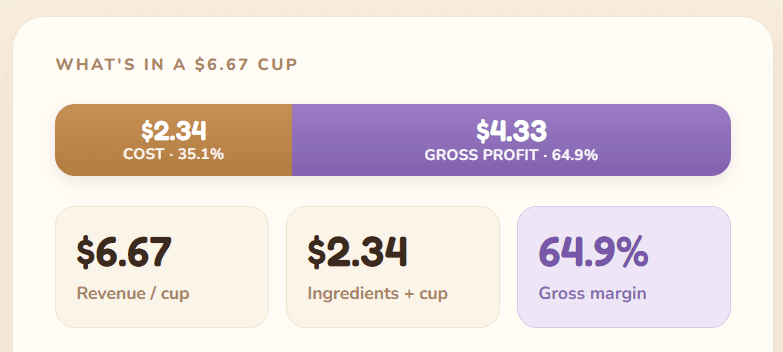
How should we price our drinks? How much will COGS amount to? What will our gross margins look like?
Revenue Model
We initially decided on a revenue-sharing model with an 80/20 split (BobaBud taking 80%, while our partners take 20%).
Servicing & Suppliers
We would perform the servicing (restocking & maintenance) and later shift to a vendor outsourcing as predictability grows
Pricing & Margins
After obtaining quotes from 12 boba tea suppliers, products were priced to ensure a minimum 70% gross margin
Gross margins
70%
Suppliers secured
12



Outcome
Drove 23% waitlist conversions. This was the after thorough A/B testing of emails & landing pages (with our original conversion rate hovering around 16%). We sourced this data from MailerLite, Google Analytics (Tag Manager) and Hotjar.
Moving further down the funnel, we drove an 11% close rate for beta-stage users. This has positioned us well for a public launch of BobaBud now.
Conversion uplift
43%
A/B tests conducted
17
Learnings
Having to build a marketing & revenue ops department from scratch without any mentorship was an extremely new experience for me.
The startup experience is useful for one main reason, you become a very powerful generalist (a.k.a a jack of all trades)
This is critical for any marketer so they can understand how the entire system works in cohesion (i.e. branding, website, messaging/positioning, the funnel, channels & collateral, MarTech & automation, and much more)